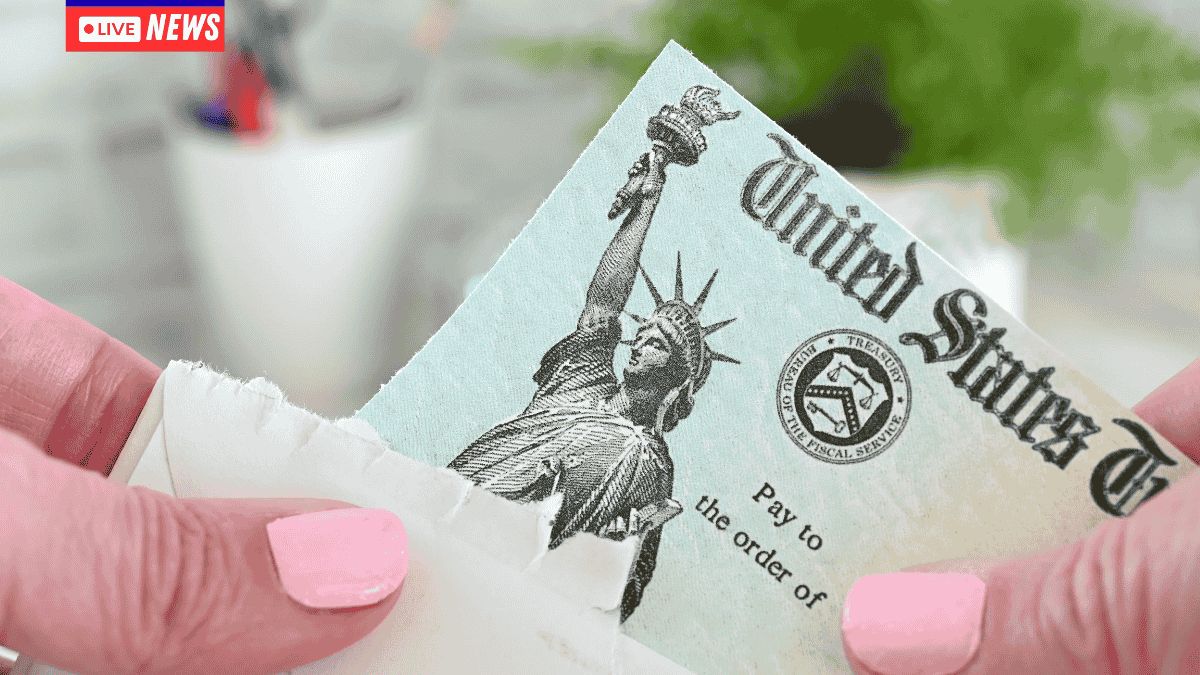
IRS $2,000 Direct Deposit Jan 2026: The IRS January 2026 $2,000 direct deposit is a one-time relief payment aimed at supporting low- and middle-income households. This payment is separate from regular tax refunds or other benefit programs. Using recent tax filings, the IRS automatically determines eligibility, ensuring qualified families receive support quickly without needing to apply.
Why January Was Chosen for This Payment
January is often one of the most financially challenging months for American households. Post-holiday expenses, heating bills, and rising costs for groceries and utilities put extra pressure on families. The IRS scheduled this $2,000 payment early in the year to provide immediate relief and help households manage these expenses, reducing stress and easing cash flow concerns.
Who Qualifies for the $2,000 Payment
Eligibility depends primarily on income and filing status from 2024 or 2025 tax returns. To qualify, taxpayers must have a valid Social Security number and have been U.S. residents for at least six months in 2025. Filing through the IRS system is required, and households with dependents may receive adjusted payments based on family size. Families slightly above the income limits may still qualify for partial payments, ensuring that even some higher-income households get meaningful assistance.

Payment Timeline and Distribution
Direct deposits for the $2,000 relief began around January 12, 2026. The IRS distributed payments in phases to manage the large volume efficiently. Taxpayers receiving paper checks can expect them later in the month. Exact arrival times may vary depending on bank processing schedules and IRS workload, but electronic deposits are generally the fastest method.
Preparing to Receive the Payment
Most eligible taxpayers do not need to take any action to receive the payment. However, ensuring that bank account information, mailing addresses, and dependent details are up to date in IRS records can prevent delays. Families should review their 2024 or 2025 tax returns to confirm accurate information, which helps the IRS calculate the correct payment amount.
Using the Payment Wisely
The $2,000 payment is intended to provide a financial buffer during a high-expense month. Many families may use the funds to pay overdue bills, buy groceries, cover rent or utility costs, or reduce existing debt. Planning how to use this relief payment can help households maximize its benefits and support longer-term financial stability.

Partial Payments and Special Cases
Even if a household’s income slightly exceeds the official eligibility limits, partial payments may be issued. These smaller deposits can still provide meaningful relief and help families manage essential expenses. Additionally, federal deposit holds or identity verification processes may occasionally delay payments ranging from $2,000 to $3,000, though these measures are intended to protect taxpayers and prevent fraud.
The IRS $2,000 direct deposit in January 2026 serves as timely financial relief during a month when many families face extra expenses. By relying on verified tax records, the IRS ensures efficient distribution without requiring additional paperwork. For low- and middle-income households, this payment offers an important boost, helping them start the year on a more stable footing.
Disclaimer

This article is for informational purposes only. Payment amounts, eligibility criteria, and distribution timelines are based on IRS announcements and may change. Taxpayers should verify details through official IRS resources or consult a qualified professional for personalized guidance.