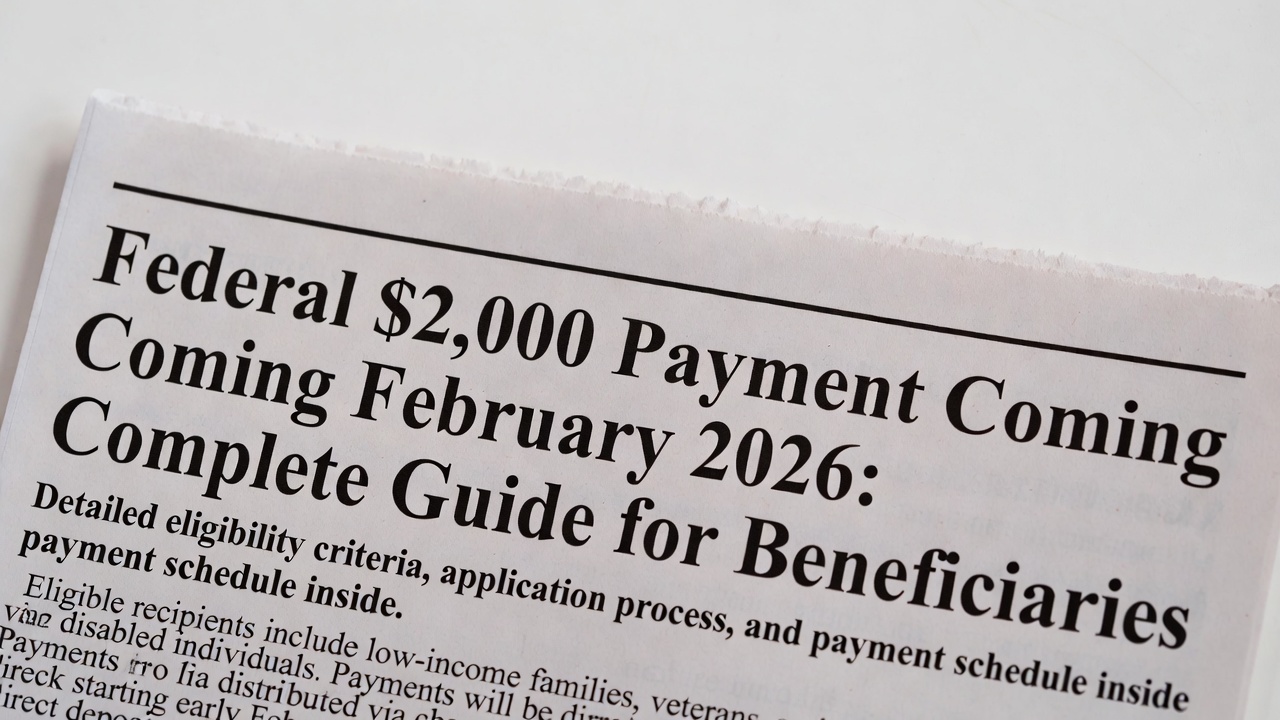
Federal $2,000 Payment Coming February 2026: As the year 2026 gets closer, many Americans are hearing increasing discussion about a possible federal $2,000 payment. This topic has gained attention especially among people who depend on fixed incomes or government benefits. With daily expenses continuing to rise, even a single payment could offer meaningful short-term relief.
For households managing tight budgets, costs such as food, rent, electricity, medical care, and insurance leave little room for flexibility. Because of this, any idea of additional financial support naturally brings both interest and hope. However, much of what is being shared online mixes facts with speculation.
Why the Idea Is Getting So Much Attention
The idea of a $2,000 federal payment is closely tied to ongoing concerns about the high cost of living. While employment levels have improved in some areas, basic expenses have not decreased. Housing costs remain high, healthcare is increasingly expensive, and utility bills continue to strain monthly budgets.

These pressures are felt most strongly by seniors, disabled individuals, veterans, and low-income households. Many of these groups rely on fixed or limited income sources. As policymakers debate ways to address these challenges, targeted financial support has become a central part of the conversation.
Understanding Where the Proposal Comes From
Unlike past stimulus checks that were sent broadly across the population, the current discussions focus on helping those most affected by rising prices. Lawmakers have openly acknowledged that certain groups face greater financial strain and have fewer options to increase their income.
The proposed $2,000 payment reflects this shift in thinking. Instead of stimulating the entire economy, the goal would be to provide relief to people who already depend on federal programs. At this stage, the idea remains a proposal and not an approved policy.

Is February 2026 a Confirmed Payment Date
Despite widespread claims on social media, there is no officially confirmed payment date for a federal $2,000 payment. February 2026 is often mentioned because it coincides with tax season and the beginning of the year, but this timing has not been approved.
For any payment to become real, Congress must pass legislation and the President must sign it into law. Until that happens, federal agencies such as the IRS or Social Security Administration cannot announce payment schedules or eligibility rules. Right now, February 2026 is only a possibility, not a guarantee.
Who Might Qualify If the Payment Is Approved
If the payment is eventually authorized, it is expected to be limited to specific groups rather than everyone. Current policy discussions suggest that people already receiving federal benefits would be the primary focus. This includes Social Security retirees, Supplemental Security Income recipients, and individuals receiving Social Security Disability Insurance.

Veterans who receive disability compensation or pensions are also often mentioned in these discussions. Low-income households connected to federal assistance programs may also be considered. This targeted approach reflects budget limitations and the goal of directing aid where it is needed most.
Why a One-Time Payment Can Still Help
Some critics argue that one-time payments do not solve long-term economic challenges. While that may be true, it does not reduce their short-term impact. For families living paycheck to paycheck, $2,000 can help cover essential needs that might otherwise go unmet.
Such a payment could be used to pay overdue utility bills, handle rent increases, purchase medications, or manage unexpected expenses like car repairs. Even temporary financial relief can prevent small issues from becoming serious financial crises.

Emotional and Practical Impact of Financial Relief
Beyond covering bills, a one-time payment can also provide emotional relief. Financial stress affects mental and physical well-being, especially for individuals already managing health issues or limited income. Knowing that some support is available can ease anxiety and restore a sense of stability.
For many households, this kind of assistance is not about extra spending. It is about catching up, staying afloat, and maintaining dignity during challenging times. This is why the proposal continues to resonate with so many Americans.
How This Proposal Differs From Past Stimulus Programs
Federal stimulus checks during the pandemic were designed to reach a wide audience quickly. They were intended to prevent economic collapse and encourage spending across the economy. The proposed 2026 payment follows a very different approach.

Instead of universal distribution, the focus now is targeted relief. Policymakers are considering how to support vulnerable populations without the high cost of sending payments to everyone. This reflects lessons learned from earlier programs and current budget constraints.
Public Reaction and the Role of Misinformation
Public reaction to the proposed payment has been mixed. Some people feel hopeful, seeing the idea as recognition of ongoing financial struggles. Others remain skeptical due to past experiences with delayed or canceled programs.
Social media has played a major role in spreading both excitement and confusion. Headlines and posts often present unconfirmed information as fact. Experts strongly advise relying only on official government announcements and avoiding financial decisions based on rumors.

What to Expect as 2026 Approaches
As 2026 draws nearer, the future of the $2,000 payment will depend on legislative decisions. If approved, clear guidance on eligibility, payment methods, and timing would follow. Historically, direct deposit has been the fastest way to deliver federal payments.
If the proposal does not move forward, it still highlights an important issue. Cost-of-living pressures continue to affect millions of Americans. Whether through this payment or another form of assistance, the demand for targeted support is likely to remain part of national policy discussions.
Staying Prepared During Uncertainty
At this time, the federal $2,000 payment remains a proposal and not a confirmed program. No official eligibility rules or payment dates have been announced. Households should avoid relying on this payment for financial planning until it is formally approved.

Staying informed through official sources, keeping personal information updated with federal agencies, and planning finances based on confirmed income are the safest steps. Caution and preparation remain essential during this uncertain period.
Disclaimer
This article is for informational and educational purposes only and does not provide financial, legal, or tax advice. Any federal payment program requires approval through legislation and official government guidance. Eligibility rules, timelines, and payment details may change. Readers should rely on official government sources or consult qualified professionals for advice specific to their situation.