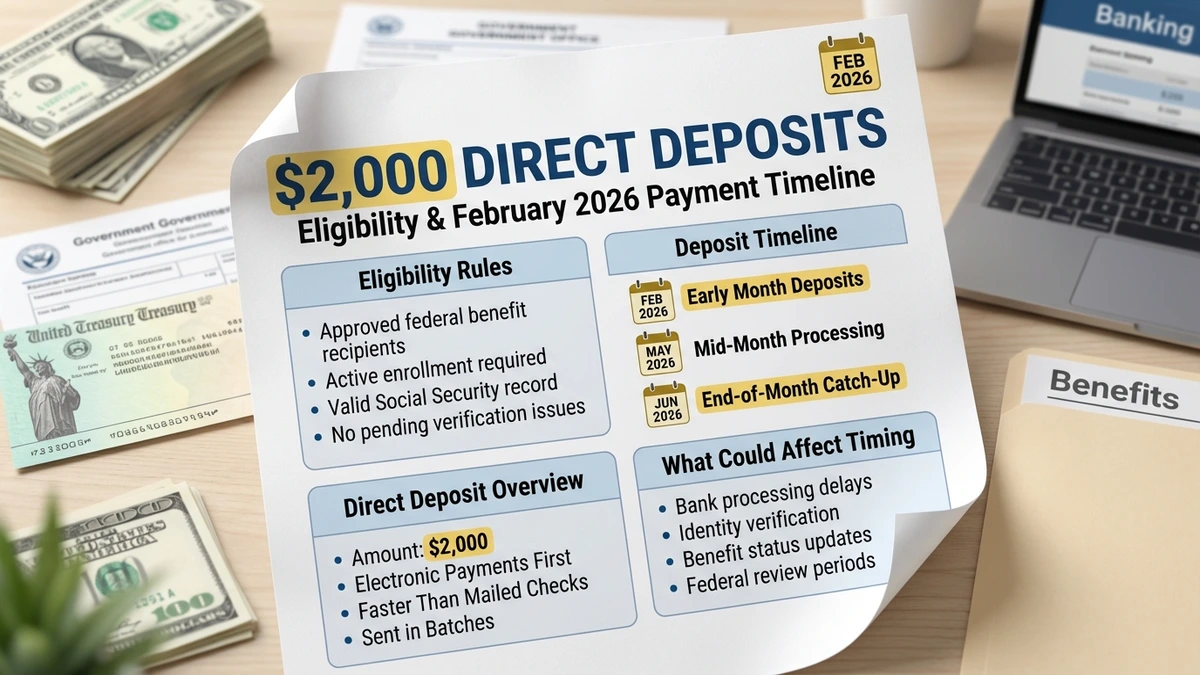
As the 2026 tax filing season moves ahead, many Americans are closely watching their bank accounts and refund trackers. For millions of households, an IRS tax refund is not extra spending money. It is often used to manage rent increases, medical costs, school fees, or debts left over from the previous year. With inflation still affecting daily expenses, knowing when refunds may arrive has become especially important.
Unlike stimulus checks or fixed benefit payments, tax refunds do not follow a single national release date. Each refund moves through the IRS processing system at its own pace. This uncertainty can create anxiety every year. In 2026, the IRS is using familiar systems, but with stronger verification checks and a continued push toward digital filing.
Why the IRS Refund Timeline Still Matters in 2026
Tax refunds play a quiet but meaningful role in the U.S. economy. In most years, a large majority of taxpayers receive a refund, and average amounts often reach several thousand dollars. For low- and middle-income families, this money is usually spent on necessities rather than luxuries. That pattern remains true in 2026 as wages continue to struggle against rising costs.

What makes refund timing so important is predictability. The IRS does not promise exact dates, but it follows a general rhythm shaped by staffing, technology, and fraud prevention. Taxpayers who understand this rhythm can plan better. Early filers with accurate returns are often able to manage expenses more confidently than those relying on guesses or online rumors.
How Tax Returns Are Processed Behind the Scenes
Once a tax return is submitted, the IRS begins a series of checks. Electronic returns enter the system almost immediately and are reviewed by automated software. This software compares income information with employer records, verifies credit eligibility, and looks for mismatches. When everything lines up, refunds can be approved fairly quickly.
Not all returns move smoothly through this process. Returns that claim refundable credits, such as credits for low-income workers or families with children, require extra review under federal law. Identity verification steps are also more common than in the past. These measures help prevent fraud, but they can slow down refunds for some taxpayers.

Filing Method and Payment Choice Make a Big Difference
How a return is filed still has a major impact on refund speed. Electronic filing has become the fastest and most reliable option. Digital returns reduce data-entry errors and allow taxpayers to track progress almost right away. Paper returns, by contrast, must be handled manually, which can add weeks to processing time.
Equally important is the refund delivery method. Direct deposit remains the quickest way to receive money after approval. Refunds sent electronically often arrive within days. Paper checks are slower and more vulnerable to delays or address issues. Many financial experts agree that using e-filing with direct deposit is the best way to avoid long waits.
Who Gets Refunds First and Who Waits Longer
History shows that early filers with simple returns are usually paid first. Taxpayers who file in late January or early February and avoid errors often receive refunds by mid-to-late February. As the season continues and the IRS handles more returns, processing times can gradually slow.

People with more complex tax situations often wait longer. This includes taxpayers with freelance income, investment earnings, or multiple credits. Returns that require manual review naturally take more time. While delays can be frustrating, they are usually a sign that the IRS is checking details rather than denying a refund.
How 2026 Compares With Previous Tax Seasons
Compared to the pandemic years, the 2026 tax season is more stable. IRS staffing levels have improved, and technology upgrades have reduced some past bottlenecks. Even so, the agency remains cautious due to previous waves of identity theft and fraudulent claims.
Unlike earlier years filled with stimulus-related confusion, refunds in 2026 are more predictable, though not necessarily faster. The biggest shift over the past decade is the heavy reliance on digital systems. Paper filing is now less common, and those who still use it often face the longest delays.

Public Reaction and the Financial Impact of Refund Season
Public reaction to refund season is often mixed. Many people feel hopeful when filing early, while others remain skeptical after past delays. Social media is filled with stories about refund dates, but these are often based on individual experiences rather than official guidance.
From a broader view, refund timing affects the economy. Economists note that consumer spending often rises briefly during refund season. In 2026, refunds may again help families catch up on bills, reduce debt, or rebuild small savings, providing short-term financial stability.
What Taxpayers Can Expect Going Forward
Looking ahead, the IRS is expected to continue its current approach throughout the 2026 season. There are no signs of major system changes, but digital filing and verification will remain priorities. Taxpayers who file early, double-check information, and choose direct deposit are still the most likely to receive refunds without delays.

Refund timelines are expected to stay steady rather than speed up dramatically. Patience and preparation remain key. Understanding how the system works can reduce stress and help households plan more effectively during tax season.
Disclaimer
This article is for informational purposes only and does not provide tax, legal, or financial advice. IRS refund amounts and timelines vary based on individual circumstances, filing accuracy, and processing conditions. Readers should consult official IRS resources or a qualified tax professional for guidance specific to their situation.
